Calculating Cosmic Electric Currents using the Carlqvist Relation
Not my catchiest title yet

If you are listening to this, I suggest you also look at the pictures
.
Let’s apply electric plasma physics ideas to real data from real filaments out in the cosmos. For example, these beauties
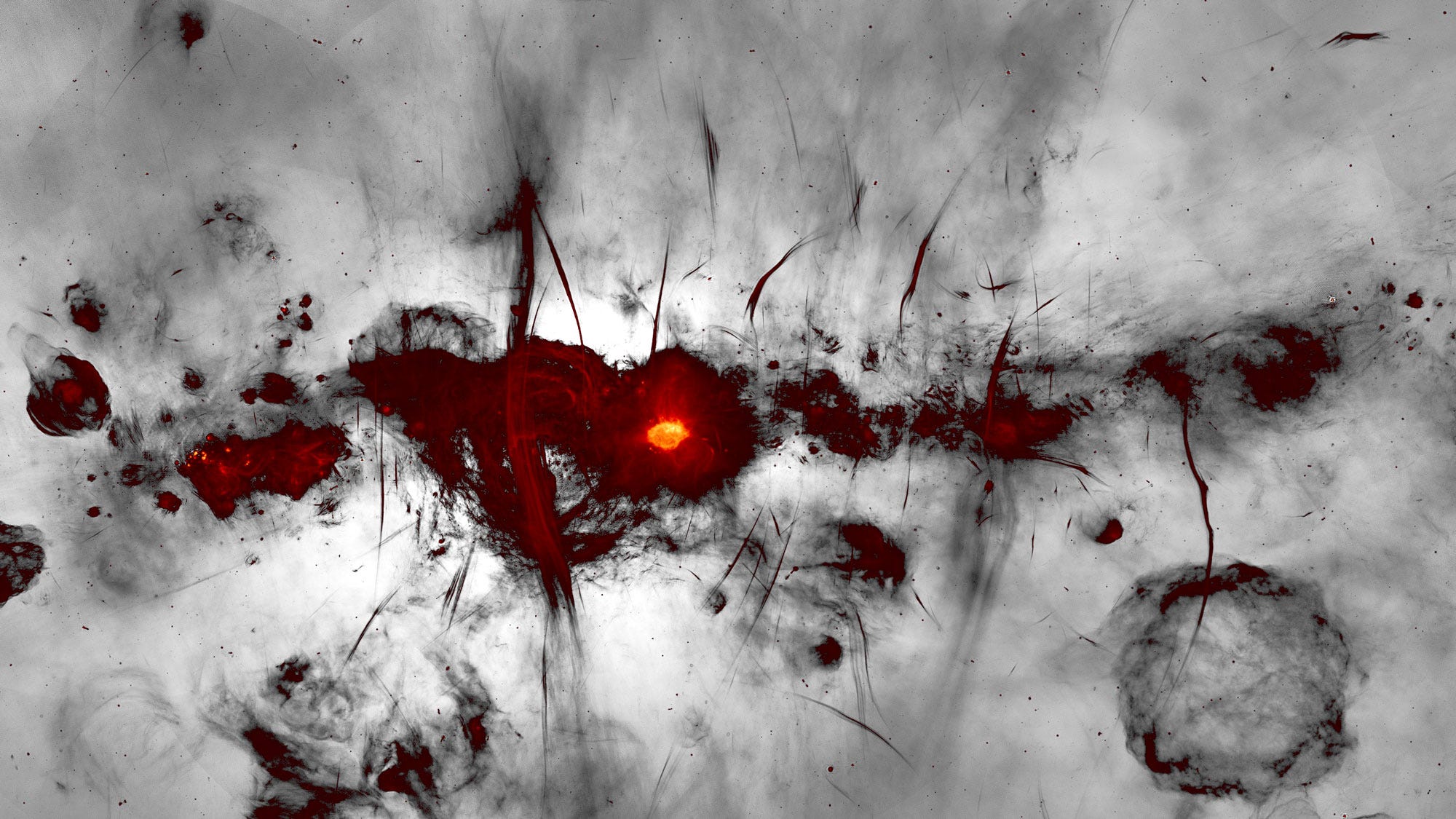
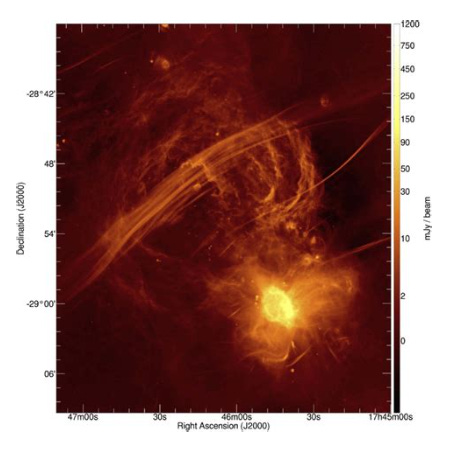
these are filaments at the center of our galaxy, viewed with the South African MEERKAT radio telescope.
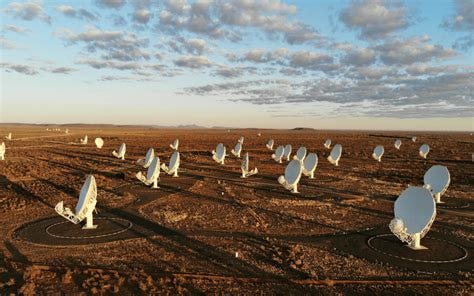
About these newly discovered filaments of super-heated plasma, I don’t even need to say it, but I will: “Scientists were surprised to find…” Surprised to find thin filaments of highly energized plasma radiating like a banshee in the radio bands? Yes, how surprising when you only have gravity and magically appearing magnetic fields in your astrophysics toolbox. In the case of these Galactic Center filaments main stream is forced to admit that there must be powerful magnetic fields compressing the filaments, but, as usual, main stream is struggling to account for the origin of the magnetic fields.
OK, enough of that old trope. Let’s dive in with an electric cosmology and talk numbers.
The Math
We will use the Carlqvist relation,
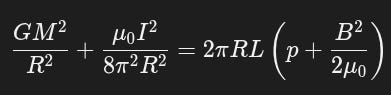
the left side is the compressive forces: Gravity and the inward pinch from the magnetic field created around an electric current. The right side is the expansive forces: thermal pressure, and magnetic field pressure. I will admit that magnetic field pressure is not so intuitive for me. The idea is that it takes energy to compress a certain amount of magnetic field into a smaller volume.
There are of course more terms we could add, such as electrostatic force, or some double layer geometries. But the goal here is to start somewhere that reasonably includes the electric currents that create the magnetic fields.
We seek data from the literature about the
density of the filaments, which will play into the gravitational and thermal pressure terms
Temperature of the filaments, which will play into the thermal pressure term
Magnetic field strength in the filaments, which will determine the electric current, and also contribute to the magnetic pressure
radius of the filaments, which enters into all the terms of the equation.
Below are the parameter values I adopted for the Galactic Core filaments, along with the reference sources, and some notes about why I chose the value I did. I will not include all this for all the other filaments I talk about here, but you can ask me for them if you want.
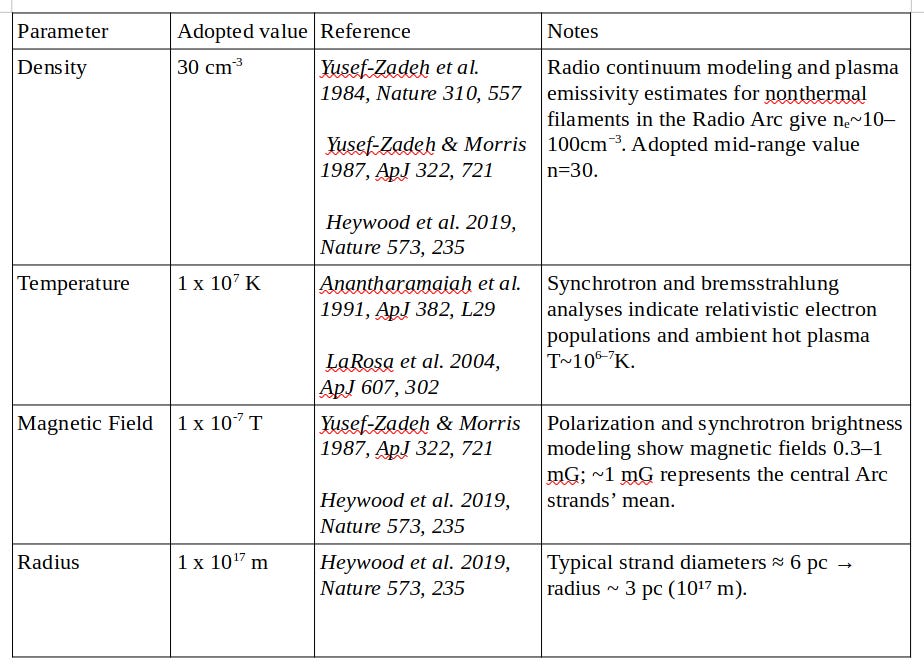
Putting these values into the Carlqvist relation, and solving for electric current, we get 7 x 10^16 amps. This is for me unimaginably large. The aurora on the Earth are powered by billions of amps constantly going into and out of the poles of the Earth. I think by now that most of us realize that these currents are involved with creating the magnetic field of the Earth itself, rather than the simplistic and sadly lonely picture of the Earth purely creating its own magnetic field all by itself, disconnected from its larger world. Our calculation gave that in the center of our galaxy there are filaments with 10 millions times larger currents flowing through.
Where do these galactic currents come from? We do not really know. I do know that we need the correct categories for thinking about this. We must see the galaxy as living, we must see the galaxy as a citizen of a larger world in which it is conceived, born, lives, has children, and dies. We must ask what are the function of these filaments in the body of the galaxy. We will not understand the filaments if we seriously believe they arose randomly and to serve no function. Your body is filled with all kinds of filaments, vessels, tubes. Some connect, some transport, some communicate controlling instructions. As the astronomical data pours in, we are being forced to admit that yes, also our galaxy is unimaginably complex and structured. The body of the galaxy is just as complex as your body, and your entire body is just as complex as a single cell in your body. Complexity has nothing to do with size. All cosmoses large and small have the same degree of complexity.
Getting back to numbers, we will collect data from three different size scales.
Interstellar medium (ISM) inside our own galaxy
Galactic Core of our own galaxy
Intergalactic filaments upon which hundreds or thousands of galaxies live
Interstellar Medium
From the ISM we look at the Musca filament
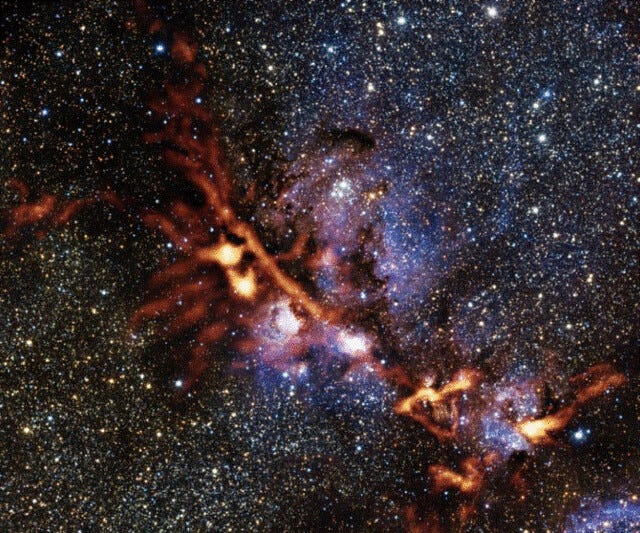
Taurus Molecular Cloud B211
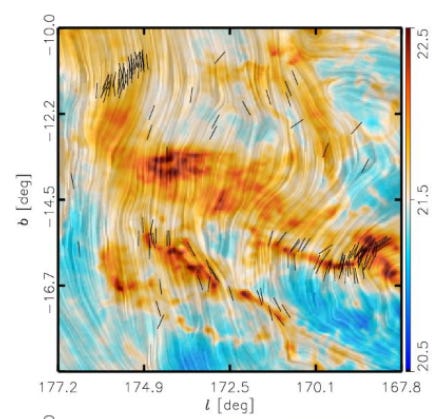
Taurus Molecular Cloud 1506
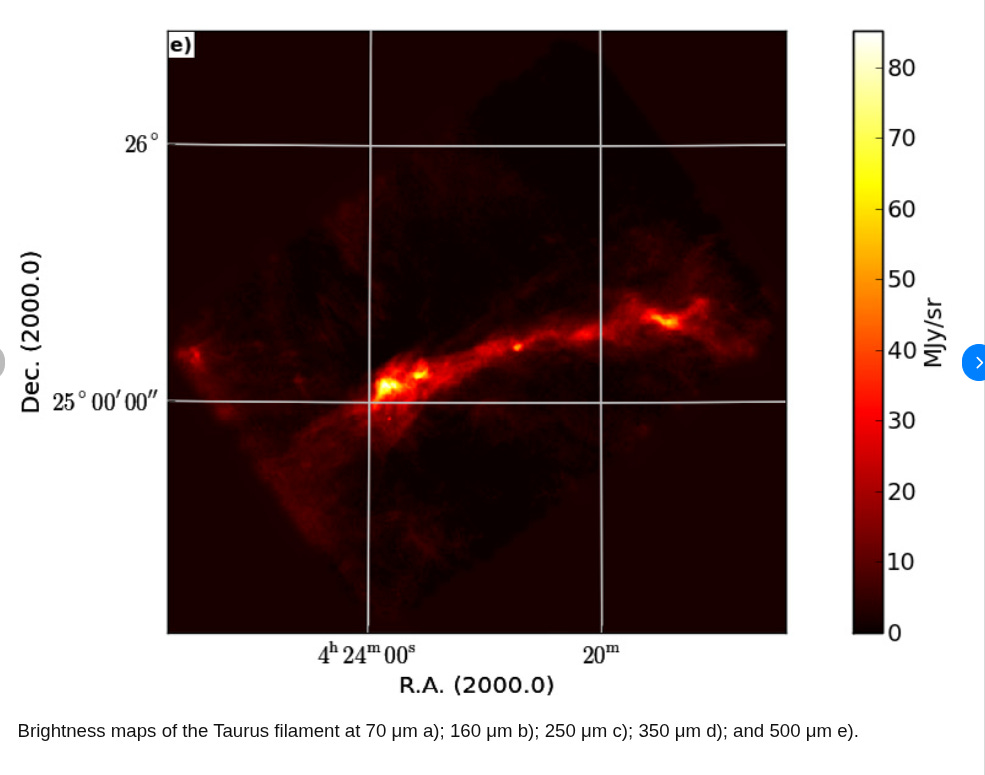
Molecular Cloud IC5146
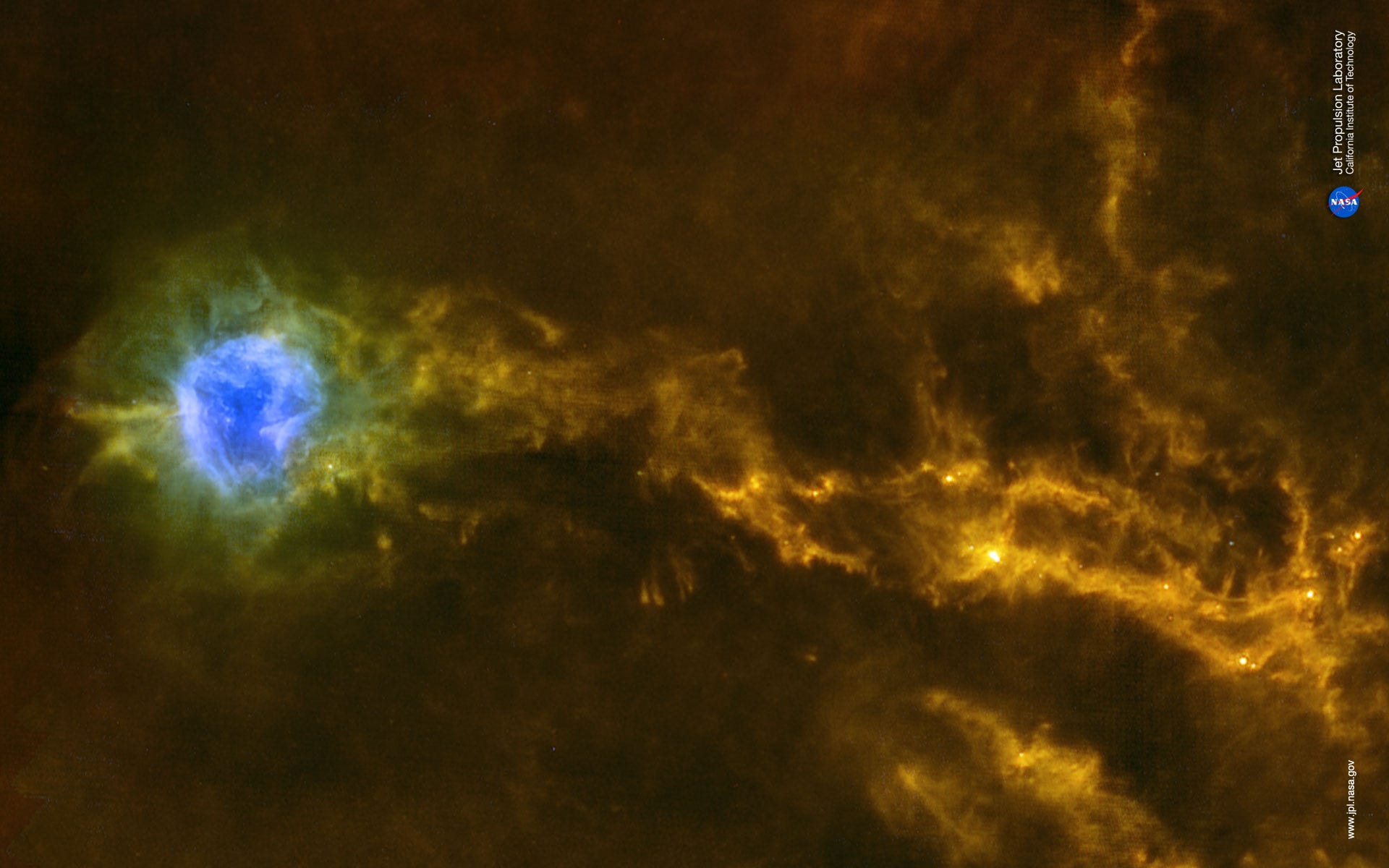
and the Pipe Nebula
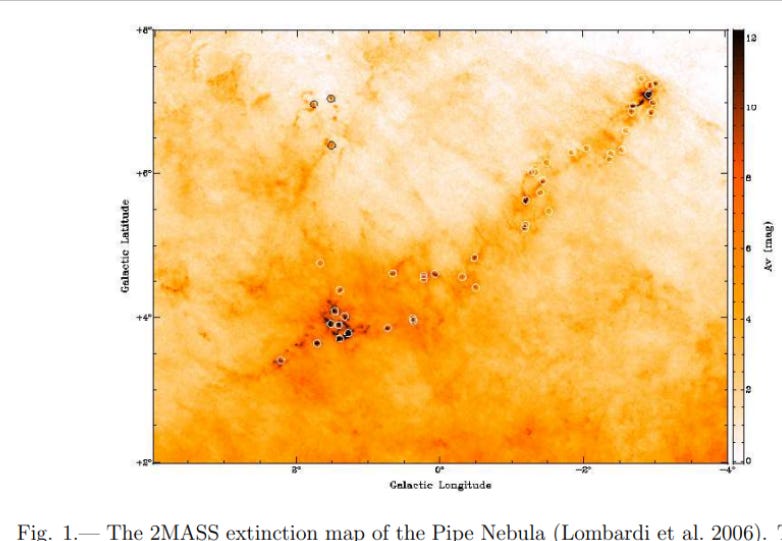
Our Galactic Core
From our galaxy’s center we take the MeerKat Radio Arc
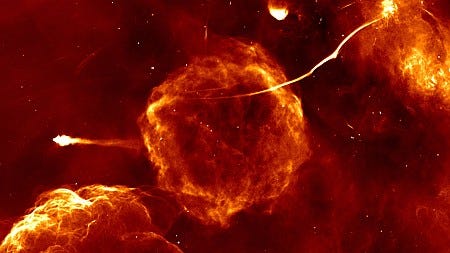
and MeerKAT G0.2+0.0
Intergalactic Medium
From the enormous scales of clusters of galaxies, we take Coma–A1367 Filament
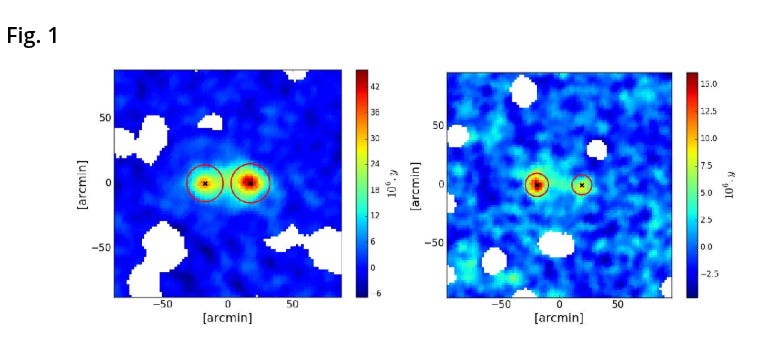
and A399–A401 Bridge
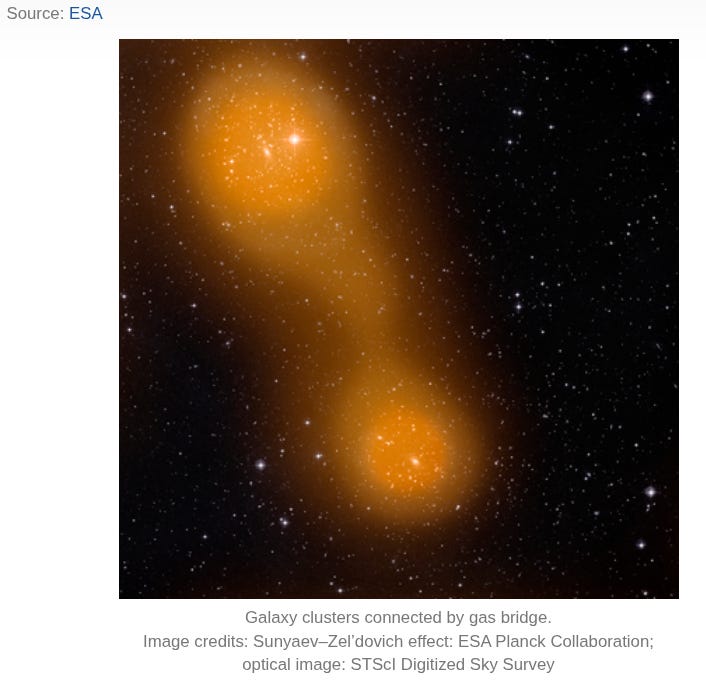
and the Perseus–Pisces Filaments
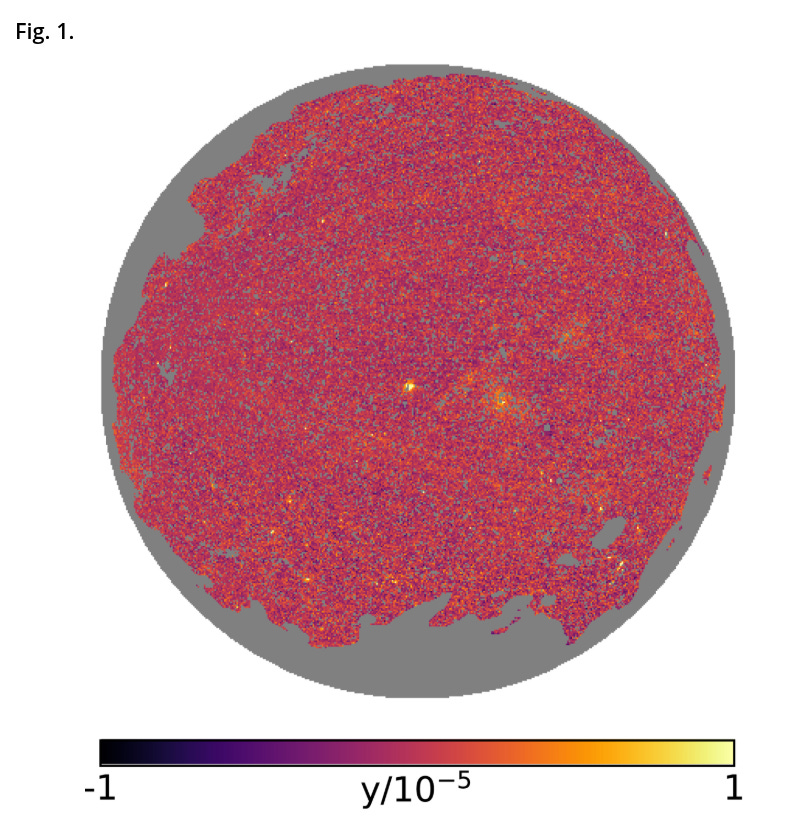
Put all the assumed values into a table, along with the calculated electric current needed to balance the other forces,
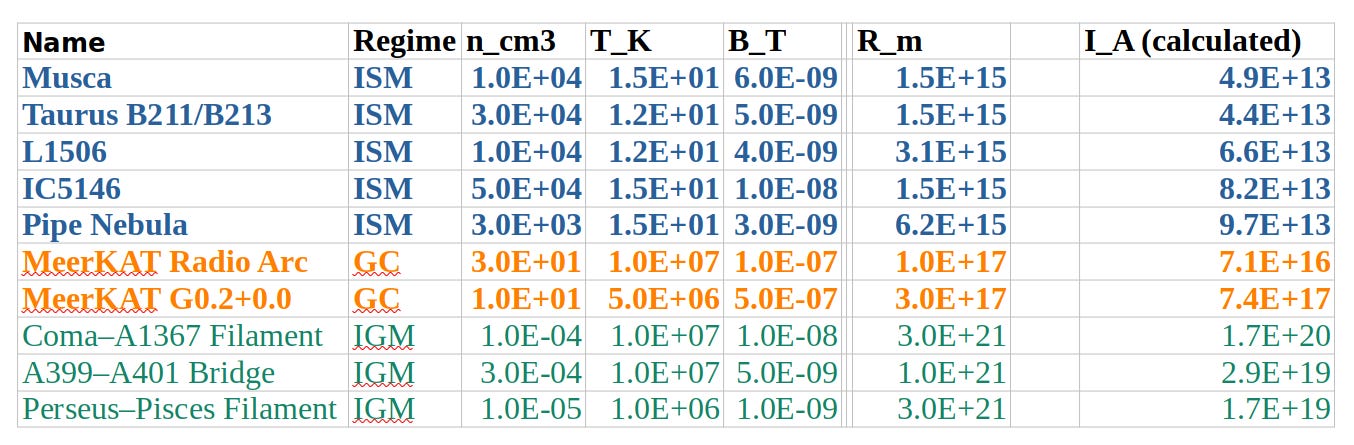
That’s a whole lot of numbers to look at. Let’s make some plots. We will compare the value of the derived electric current to the other measured values.
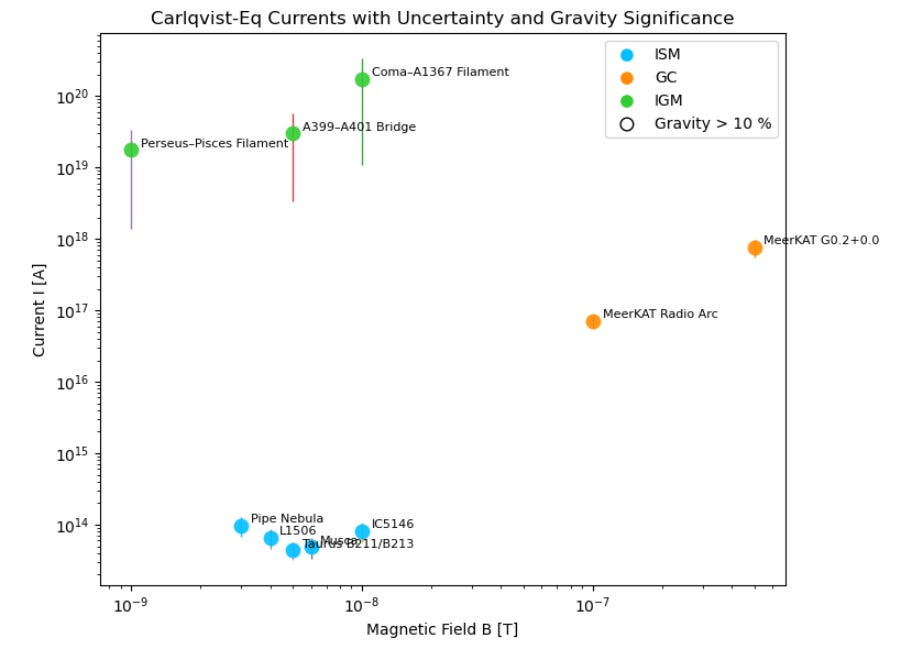
First how current relates to the magnetic field,
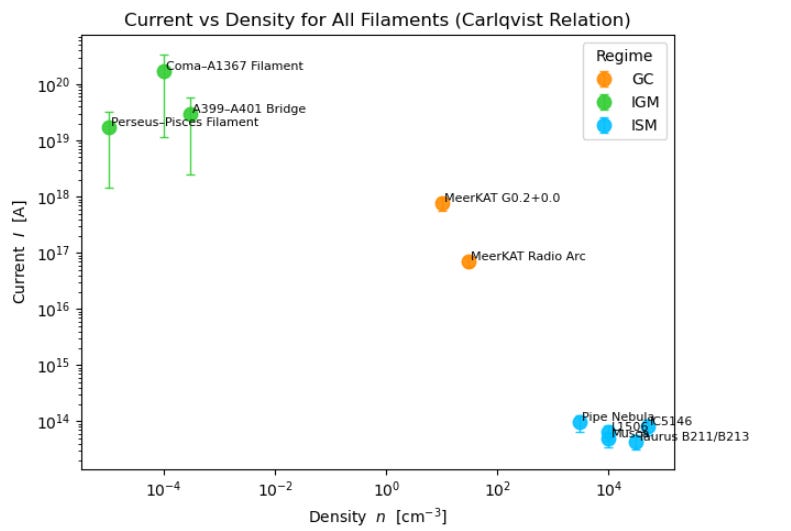
then how current relates to the mass density
and finally how the current relates to the temperature,
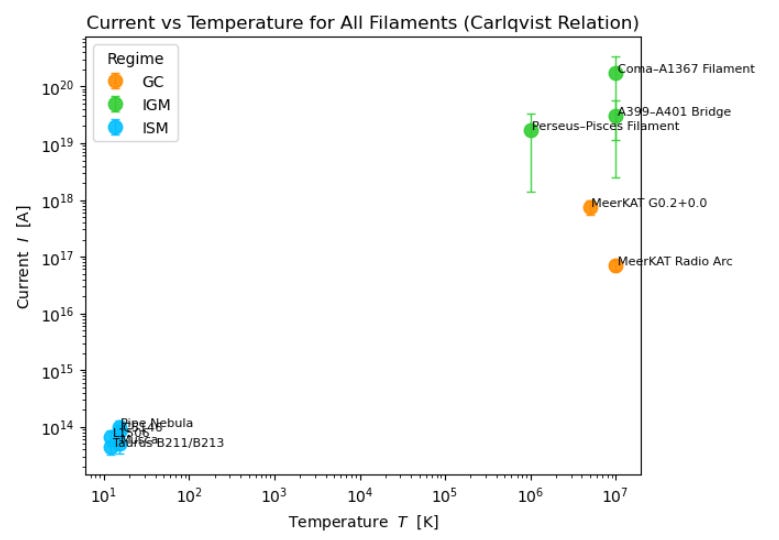
I find it very satisfying to see the three regimes are obvious clumped together. If the blue, green, and orange dots were all scattered about randomly I would seriously doubt the results. But seeing each regime occupying its own section in the parameter space lends confidence to our approach. I am still pondering on the meaning of the three plots - its a lot to take in.
I will point out that for all of these, my calculations show the effect of gravity is quite small compared to the other factors, less than 10%. In the case of the filaments in our galactic core this is admitted by all, the mass densities are simply no where near what is needed to constrain such hot filaments. In the ISM and Inter-galactic scales I will let my analysis here stand as a contribution to whether gravitational collapse really can explain the formation of such filaments.
I hope you get many readers. You have earned them.
With the birth of radio astronomy nearly 100 years ago, the importance of electric currents to the galaxy and the families of galaxies and the super clusters of galactic clusters should have been considered a given.
Synchronization. I just posted on my Facebook page about the failure of gravity to collapse a gas cloud, let alone explain the filaments we see.
https://en.wikipedia.org/wiki/Jeans_instability?fbclid=IwdGRjcAPuQaVjbGNrA-5BiWV4dG4DYWVtAjExAHNydGMGYXBwX2lkDDM1MDY4NTUzMTcyOAABHjaPuSfwK8R2YqN81MoMeOXoNlZQqhgA_Ly9qNqS626ep8TfUPkVieVCgNgD_aem_KKRwg8M29_GK-gAtK8Y_mg
If you look under "Jean's swindle", you see the issue is that it starts with an isolated cloud, and then tries to explain how it collapses. If you keep reading, you see they "solved" the problem by that whole Big Bang, expanding universe idea. So I pointed out on my Facebook page, that for my many friends who challenge the Big Bang, you are forced to challenge the standard idea of gravitational collapse of a gas cloud.